Food Frequency 101: A Beginner’s Guide to the Energy of What We Eat
- 4 hours ago
- 7 min read
A beginner-friendly guide inspired by our recent podcast episode—exploring the idea that food isn’t just fuel. It’s information, energy, and relationship.
Most of us were taught to think about food in only a few ways:
Calories.
Carbs.
Protein.
Fat.
Maybe vitamins and minerals, if we were lucky.
But across many traditional cultures—and increasingly in holistic health conversations—there’s another lens:
Food as energy.
Food as frequency.
This guide was inspired by our recent conversation exploring this very idea with food educator and fermentation enthusiast Karin Edgett.
What started as a discussion about fermentation quickly opened into a bigger idea:
Food isn’t just chemistry.
It’s also relationship.
And when you begin to look at it that way, everyday choices—like where food comes from, how it’s prepared, and how you eat it—start to matter in new ways.
This is the Food Frequency 101 Guide version of that conversation:
A curious starting point.
Not a rigid philosophy.
Just another lens to explore.
Food frequency 101: what people mean when they say food has “energy”
The idea that food carries energy can sound abstract at first.
But the concept actually shows up across multiple traditions:
Traditional medicine systems
Agricultural practices
Spiritual traditions
Modern conversations about bioenergetics
At its simplest, the idea behind food frequency 101 is this:
Food doesn’t just deliver nutrients.
It also carries information about how it was grown, handled, and prepared.
Think about the difference between:
A tomato grown locally in the sun—
And a tomato grown far away, picked early, and shipped across the country
Or:
Bread made with a traditional sourdough fermentation—
And bread made with refined flour and fast-rise yeast
Both technically count as “food.”
But many people notice their bodies respond differently.
In holistic health conversations, that difference is often described as vibrational quality or frequency.

Why traditional food cultures fermented almost everything
One of the most surprising points from our conversation was this:
Many foods we think of as “normal” today used to be fermented.
Historically, fermentation wasn’t a niche hobby—it was a core part of everyday cooking.
Examples include:
Sauerkraut and pickles
Yogurt and cultured dairy
Sourdough bread
Condiments like ketchup, mustard, and hot sauce
Beverages that naturally fermented
Fermentation did several things:
Preserved food
Introduced beneficial bacteria
Improved digestion and nutrient absorption
In other words, fermentation didn’t just change flavor—it changed the biological activity of the food.
Many traditional food cultures included small fermented elements with nearly every meal for this reason.
Today, many modern versions of those foods are made with vinegar, preservatives, or industrial processes instead.
Which means they taste similar—but behave differently in the body.
The overlooked power of fresh plants
Another theme that came up in the conversation: the vitality of fresh plants.
In food frequency discussions, fresh plants are often described as “high vitality foods.”
Why?
Because they are:
Recently grown
Sun-exposed
Biologically active
Rich in phytonutrients and enzymes
Leafy greens, herbs, edible flowers, and wild plants often fall into this category.
For example, many traditional herbal systems value plants like:
Dandelion
Clover
Wild greens
Edible flowers
These plants interact closely with soil, sunlight, and seasonal cycles—something modern diets often lack.
Even simply adding more fresh plant foods can shift how meals feel in the body.
Not because they’re magical.
But because they reconnect meals to living ecosystems.

The mindset piece: why “grace before meals” mattered
One of the most fascinating ideas in the episode had nothing to do with ingredients.
It had to do with how we eat.
Many cultures historically paused before meals to:
Offer gratitude
Bless the food
Share a moment of calm
In some traditions, this is called saying grace.
From a modern lens, this pause might influence digestion in a few ways:
It shifts the nervous system out of stress mode
It slows eating
It increases awareness of the meal
Digestion works best in the parasympathetic state—often called “rest and digest.”
So even if someone doesn’t frame it spiritually, the practice of pausing before meals may support the body physiologically.
Sometimes (oftentimes), ancient traditions have practical wisdom embedded inside them.
Food discernment: why one diet doesn’t work for everyone
Another important theme from the conversation:
No food philosophy works the same for every person.
Some people thrive on plant-heavy diets.
Others feel better with more animal protein.
Some love fermented foods.
Others need to introduce them slowly.
The key concept that came up repeatedly was discernment.
Learning to notice:
How your body feels after meals
What foods energize you
What foods leave you sluggish or uncomfortable
Instead of assuming the same diet works for everyone.
Holistic health often comes back to bioindividuality—the idea that bodies respond differently to the same inputs.
Food frequency conversations simply add another layer to that awareness.
A surprising food hero: garlic
One food that came up as a favorite in the conversation was garlic.
Garlic has been used across cultures for centuries for both culinary and medicinal purposes.
Traditionally, garlic has been valued for its:
Antimicrobial compounds
Antioxidants
Immune-supportive properties
Digestive support
Fresh garlic, in particular, contains compounds like allicin, which become active when garlic is chopped or crushed.

In many traditional cuisines, garlic appears not just as a flavor—but as a functional ingredient.
Which may be one reason it has stuck around in so many global food traditions.
Simple ways to experiment with food frequency
If the idea of food frequency is new to you, the goal isn’t to overhaul everything overnight.
Instead, try small experiments.
For example:
Add one fermented food Sauerkraut, kefir, yogurt, or sourdough.
Choose fresh when possible Local produce or seasonal foods.
Cook one meal at home Food prepared with care often feels different than rushed meals.
Pause before eating Take one breath before the first bite.
Pay attention to patterns Notice which foods leave you feeling energized vs. drained.
These small shifts can help you start exploring the relationship between food, awareness, and how your body responds.

FAQs
What is food frequency?
Food frequency refers to the idea that food carries energetic qualities in addition to nutrients. In holistic health conversations, factors like freshness, fermentation, soil quality, and preparation methods are believed to influence how food interacts with the body.
Is food frequency scientifically proven?
The concept blends several areas of study—including nutrition, microbiology, and bioenergetics—but it is often discussed more in holistic health circles than in conventional nutrition science. Many people explore it through personal experimentation and observation.
What foods are considered “higher vitality” foods?
Foods often described this way include fresh fruits and vegetables, herbs, fermented foods, and minimally processed ingredients grown close to their natural environment.
Why were so many foods historically fermented?
Fermentation helped preserve food before refrigeration existed. It also increases beneficial bacteria and enzymes, which can support digestion and nutrient absorption.
Where should beginners start?
A simple place to begin is adding one fermented food, choosing fresher ingredients when possible, and paying attention to how your body feels after meals.
💬 We’d love to hear from you!
Have you explored food energetics, fermentation, or other traditional food preparations? Share your favorite resources, books, recipes, or teachers in the comments below. Your recommendation might help someone else start their journey.
The Bottom Line
Food can be many things at once.
Fuel.
Pleasure.
Culture.
Connection.
The idea of food frequency simply adds another perspective:
That how food is grown, prepared, and eaten may influence how it interacts with our bodies.
You don’t have to adopt the whole philosophy.
But staying curious—about ingredients, traditions, and how your body responds—is a powerful place to start.
Listen to the episode: Food Frequency 101, Fermentation, Conscious Eating & the Energy of What We Eat
If you want the real conversation that inspired this guide—stories, curiosity, surprising food history, and a whole new way to think about what’s on your plate?

In this episode, we explore:
The idea of food as energy—not just calories
Why so many traditional foods used to be fermented
What fermentation changes about flavor, digestion, and vitality
The role of grace, gratitude, and intention before meals
How fresh plants, herbs, and flowers fit into this conversation
Simple ways to begin exploring food frequency in real life
Best for you if: you’re curious about fermentation, drawn to a more intuitive and holistic relationship with food, or ready to think about nourishment as more than just nutrients.
More on Karin Edgett
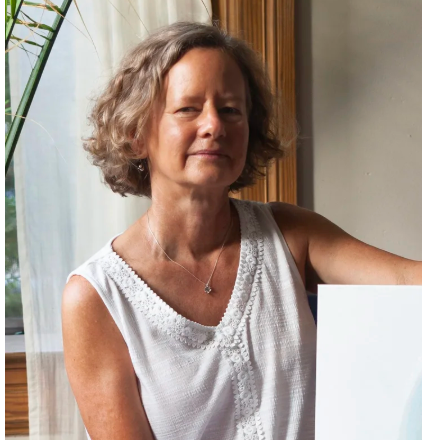
Food educator, fermentation teacher, artist, and lifelong student of traditional food wisdom.
Karin Edget’s work explores the intersection of nutrition, fermentation, plant knowledge, and food consciousness.
After navigating years of unexplained health challenges, she began studying nutritional cooking, traditional food preparation, and holistic wellness
practices—eventually traveling through Central and South America to learn directly from local food cultures and farming communities.
Her work today focuses on helping people rediscover the deeper relationship between food, energy, and vitality.
From fermented foods and garlic-based dressings to edible flowers and wild plants, Karin encourages people to reconnect with food not just as fuel—but as a living part of the ecosystem we belong to.
Her teaching blends traditional food knowledge, fermentation practices, and intuitive awareness, inviting people to experiment, observe how their bodies respond, and develop their own discernment around nourishment.
More from The Human Array
📣 Join the healthcare uprising: The national movement calling for a better, more human healthcare system. Add your voice to support the move to whole-person healthcare today.
Know an amazing holistic practitioner? 🌿 Invite them to join our new all-things-holistic Directory (launching to the public very soon)—so more people can find them. Share the invite →
💌 Daily dose of holistic health? Yes, please! 2-min health tips blending modern science + ancient wisdom—stuff you can actually use right away for better sleep, digestion, focus, energy, and more.
🚀 We’re officially fundraising on Wefunder!
Share our vision of a future of health that’s holistic, personal, and connected—rooted in education and real human connection: to self, to others, and to nature?
🖥️ Check out the Hub!
It's free! Find the trusted resources, education, practitioners, and tools you've been seeking—in one trusted space.
📲 Follow along with us on Instagram: The Human Array + The Great Connect
Medical Disclaimer: This content is for educational purposes only and is not medical advice. It is not intended to diagnose, treat, cure, or prevent any condition. Always consult a qualified healthcare provider for questions about your health, medications, or treatment decisions.


Comments